EXPERIENCE THE BLUE
Galapagos Diving
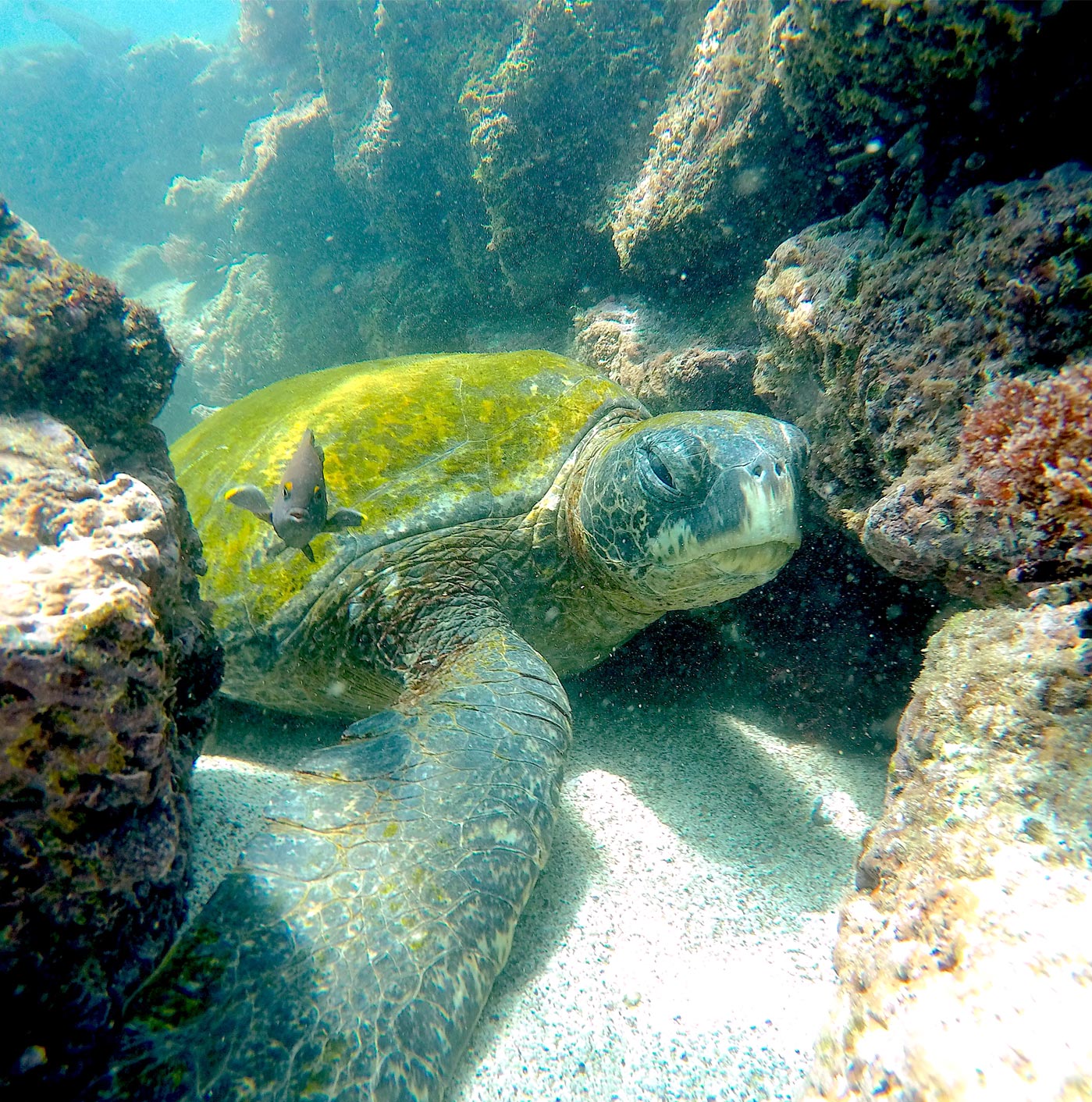
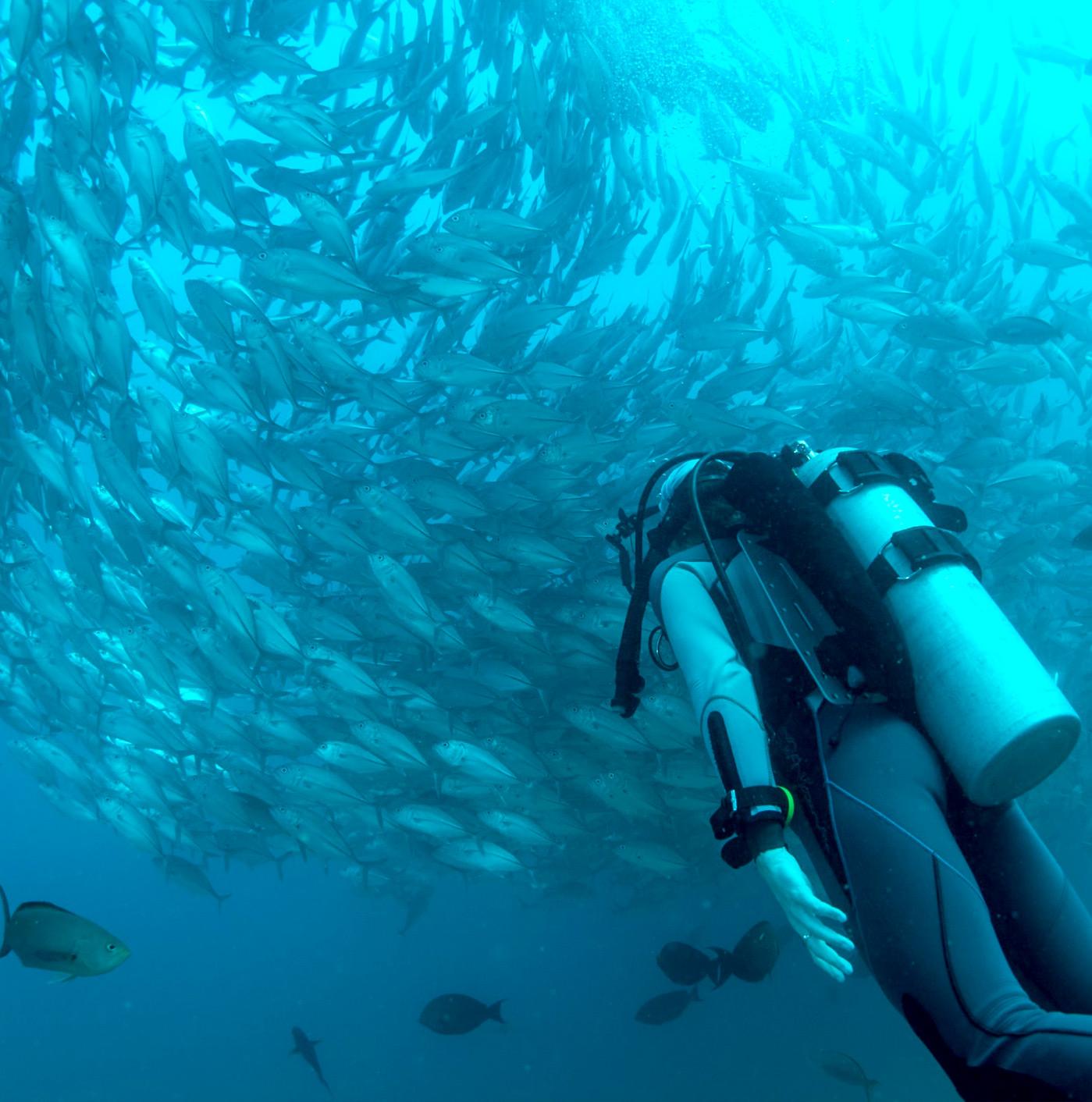
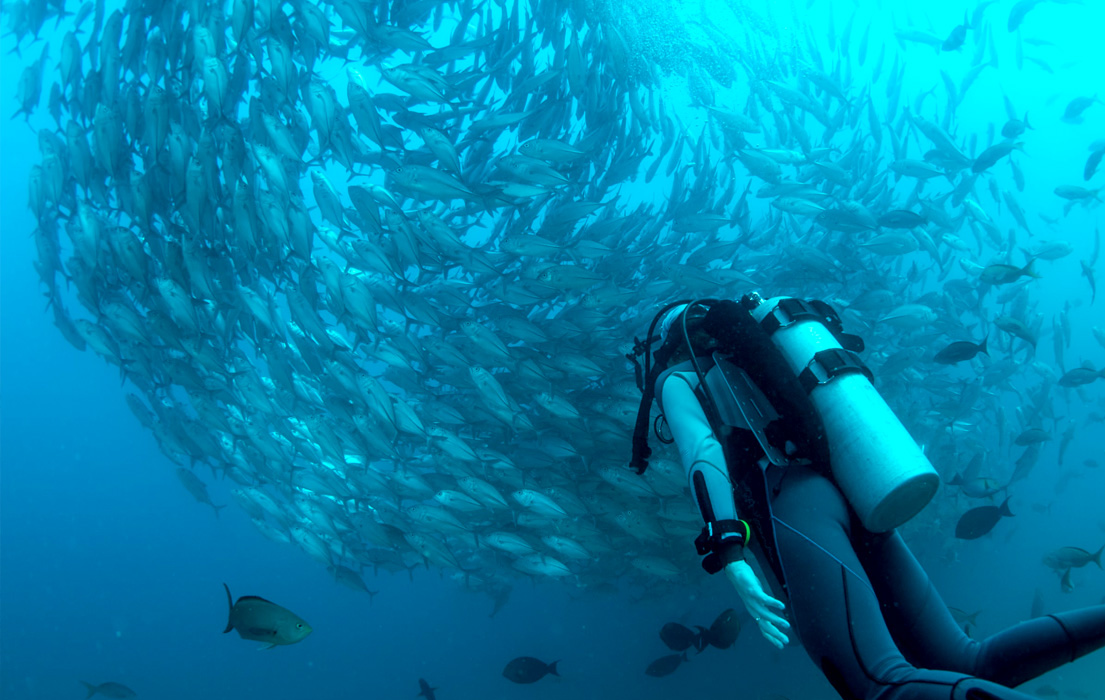
Galapagos has an incredible diversity of underwater wildlife waiting to be explored. From beginners to advanced divers,we offer the best diving in Galapagos and there is so much magic beneath the surface of our enchanted archipelago.
Diving Day Tours
From $285
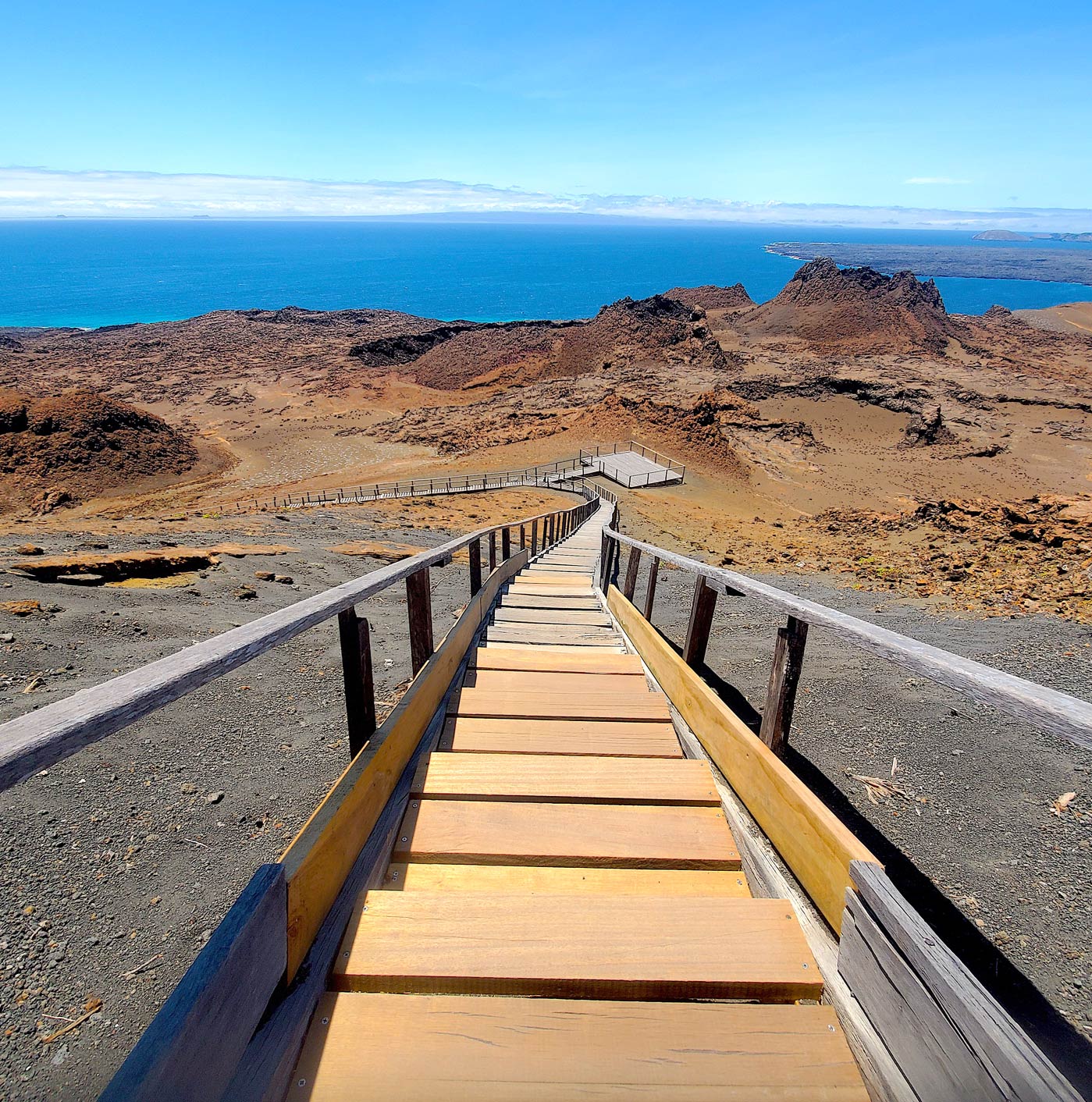
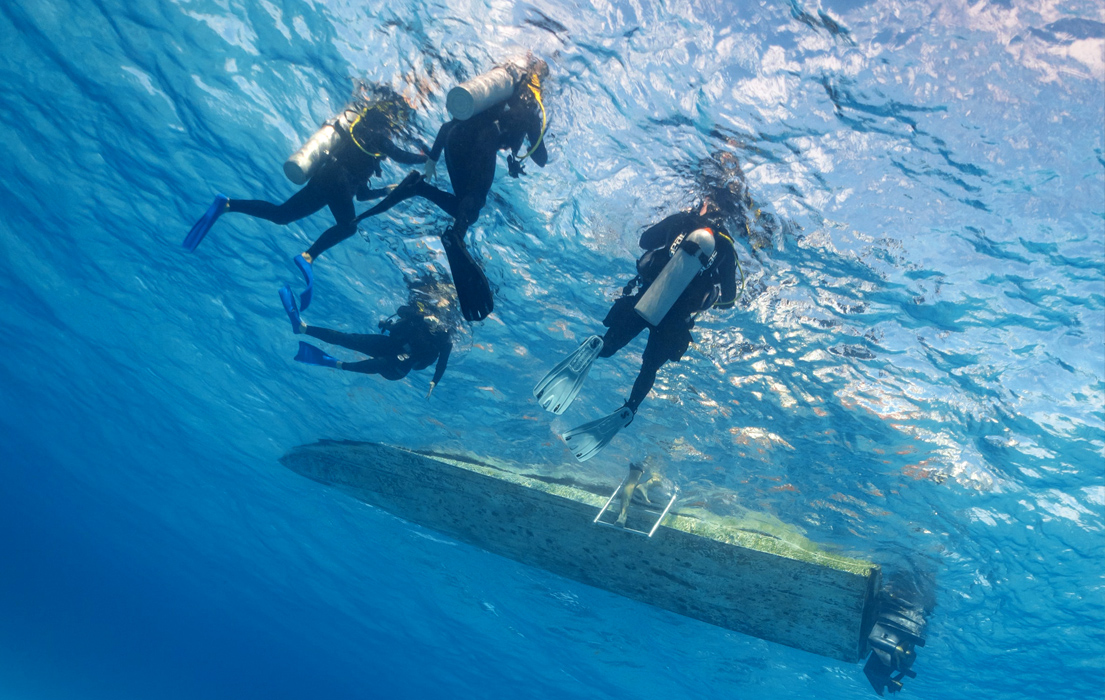
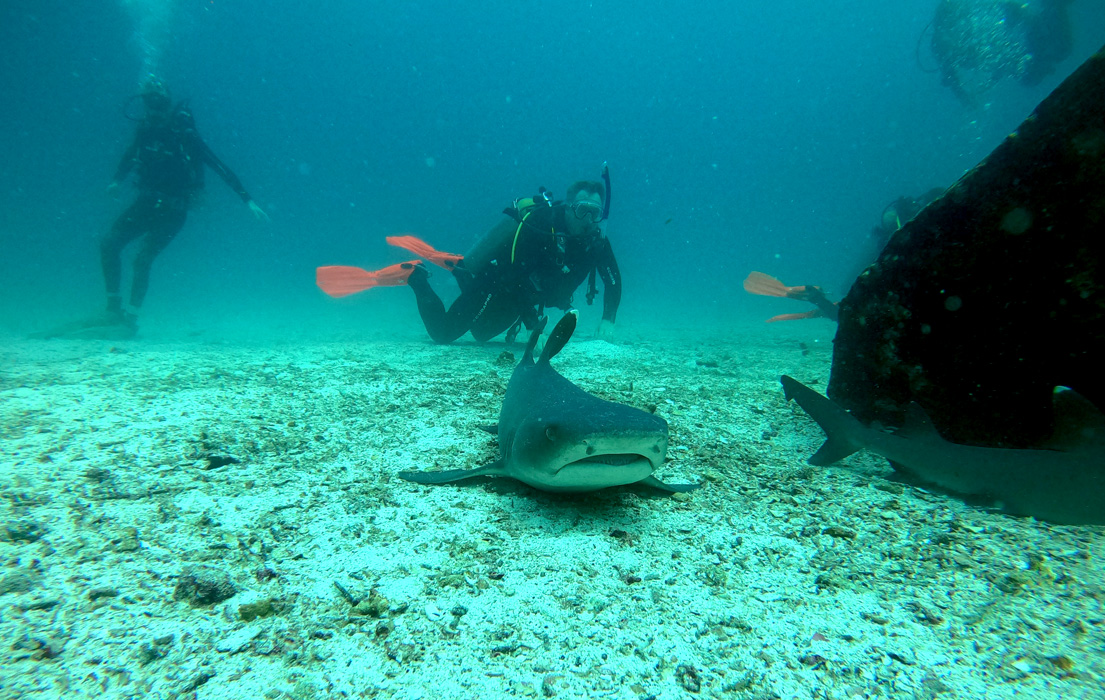
The Galapagos Marine Reserve is home to a diverse range of diving sites, from extinct volcanic craters to rock reefs and caves. Dive tours depart daily at 7am and return at approximately 3pm. Sites such as Floreana, Santa Fe and North Seymour are suitable for beginner – intermediate divers, with the strong currents of Gordon Rocks suitable for advanced divers with a minimum of 25+ dives.
NEED MORE INFORMATION?
Frequently Asked Questions
If you’ve ever wanted to walk alongside wildlife that has no fear of humans, swim with sea lions, and stand on a volcano — this tour was made for you. Our island hopping tours attract a wide range of travelers: couples, families, friend groups and retirees. One of our most recent reviewers joined with her father at nearly 80 years old and called it “an incredible experience from start to finish.” You don’t need to be sporty or adventurous in the extreme sense — you just need curiosity and a willingness to get outside. If you’re comfortable with a full day of activity, some walking on uneven terrain, and getting in the water, you’ll thrive here.
Moderate. Most days involve a mix of walking, snorkeling, and boat transfers — nothing technical, but you should be comfortable on your feet for several hours. The most demanding activity is the Minas de Azufre tour: a 3km walk from the National Park checkpoint down into the caldera of Sierra Negra Volcano, across a salt layer to the sulfur mines where you can see green sulfur emissions rising from the ground. It’s a medium-intensity hike on rocky terrain — no climbing, but sturdy footwear helps. Snorkeling is included on multiple days; you don’t need to be a strong swimmer, but being comfortable in the water with a mask and fins helps. If you have specific mobility concerns, get in touch before booking and we’ll let you know exactly what to expect on each day.
Yes — families are very welcome on our island hopping tours. We recommend a minimum age of around 8 years old, though this depends on the child; the key factors are comfort in the ocean and the ability to stay engaged on longer days. Kids consistently love the Galapagos because the wildlife is so close and so unfazed by humans. Sea lions swim up to you in the water, iguanas sunbathe inches from the path, and giant tortoises roam freely in the highlands. It tends to be a trip children remember for the rest of their lives. If you’re unsure whether your child is ready, drop us a message and we’ll help you figure it out.
To keep our pricing honest, here’s what you’ll need to budget for separately: flights to and from the Galapagos; the $200 Galapagos National Park entrance fee; the $20 INGALA Transit Control Card (required for all visitors); dinners on days not specified in the itinerary; any personal expenses like drinks, laundry, or souvenirs; and tips for your guide, which are always appreciated but never obligatory. Everything else; accommodation, included meals, day tours, snorkeling gear, bicycles, and transport between islands, is covered in your tour price.
There are no direct flights from the US to the Galapagos. You’ll fly into either Quito (UIO) or Guayaquil (GYE) in mainland Ecuador first, then connect to the islands. Flights land at either Baltra Airport (near Santa Cruz) or San Cristóbal Airport — we’ll confirm which based on your tour. Most US travelers fly through a hub like Miami, Atlanta, Houston, or New York, with total travel time ranging from roughly 10 to 16 hours depending on your origin city. We recommend arriving in Quito or Guayaquil the day before your tour starts so a delayed connection doesn’t cost you Day 1.
If you cancel 90 or more days before your tour start date, you’ll receive a 50% refund. Cancellations made within 90 days of departure are non-refundable. We strongly recommend purchasing travel insurance that covers trip cancellation. Given the logistics involved in getting to the Galapagos, it’s genuinely worth having. If something unexpected comes up, reach out to us as early as possible; we’ll always do our best to work with you.
Yes — and we’d say that even if we weren’t the ones selling it. The Galapagos is one of the only places on earth where the wildlife evolved without land predators, which means the animals have no instinct to flee from humans. You don’t watch wildlife from a distance through binoculars here. You snorkel alongside sea turtles, sit a few feet from nesting blue-footed boobies, and walk trails where sea lions sprawl across the path. It’s an experience that genuinely can’t be replicated anywhere else. The cost reflects the protection fees, permits, and logistics required to preserve one of the world’s most extraordinary ecosystems, and most of our travelers say it was the best money they’ve ever spent on a trip. Our tours start from $2,249 per person and include accommodation, guided tours, most meals, snorkeling gear, and all inter-island transport.
Both get you to the Galapagos — but the experience is quite different. A cruise keeps you on a boat each night, moving between islands while you sleep. Island hopping means you stay in actual hotels in the island towns, eat at local restaurants, and move between islands by public ferry. The practical differences matter: island hopping costs significantly less than a comparable cruise, you have more flexibility in your schedule, and you get to experience the local communities rather than just the visitor sites. The tradeoff is that some of the more remote islands are only accessible by cruise. For most travelers, especially those who prefer a bed that doesn’t rock and the option to explore a town at night, island hopping delivers an equally rich wildlife experience at a fraction of the price, with a local guide who knows these islands like their own backyard. Pahoehoe has been running island hopping tours since 2013 and has been TripAdvisor’s highest-rated Galapagos operator every year since.
Currents in Galapagos are often strong and difficult to swim against. Conditions in Galapagos change constantly, often with the same dive site experiencing completely different conditions from one dive to the next. Though the currents can be challenging, there are areas more suited to novice divers where more challenging conditions can be avoided.
Generally June to December in Galapagos is the coldest water temperature, and December to June is the warmest. However Galapagos temperatures are greatly influenced by ocean currents, so conditions are known to change frequently. Usually the surface temperature is 18 to 25 degrees celsius year round.
Generally visibility is between 10 – 20 meters. Cooler months often have poorer visibility, however there is often more activity in the water.
The recommended time to wait to fly after 2 recreational dives is 18 hours. It is therefore a good idea to wait to depart Galapagos until the afternoon of the following your dives.
No. Diving is strictly regulated by the Galapagos National Park and is only allowed only in certain areas of the Galapagos Marine Reserve. Divers must always be accompanied by a certified Galapagos Marine Reserve Dive Master Guide and a properly licensed boat.
No. All passengers on dive trips are there to dive. If you have non-divers traveling to Galapagos with you, speak with us about day tours that they can do whilst you are out diving.
Diving Cruises
Explore more of Galapagos and its under sea treasures with a live-aboard dive cruise. From beginner to experienced divers, we have scuba diving options suitable for everyone to have a once in a lifetime Galapagos underwater experience.
Only some of your group want to scuba dive? No problem, we can arrange customized tour packages for all members of your group.
POPULAR TOURS
Visitor Favorites
Our most popular tours sell out quickly. Reserve your spaces early, we look forward to seeing you!